


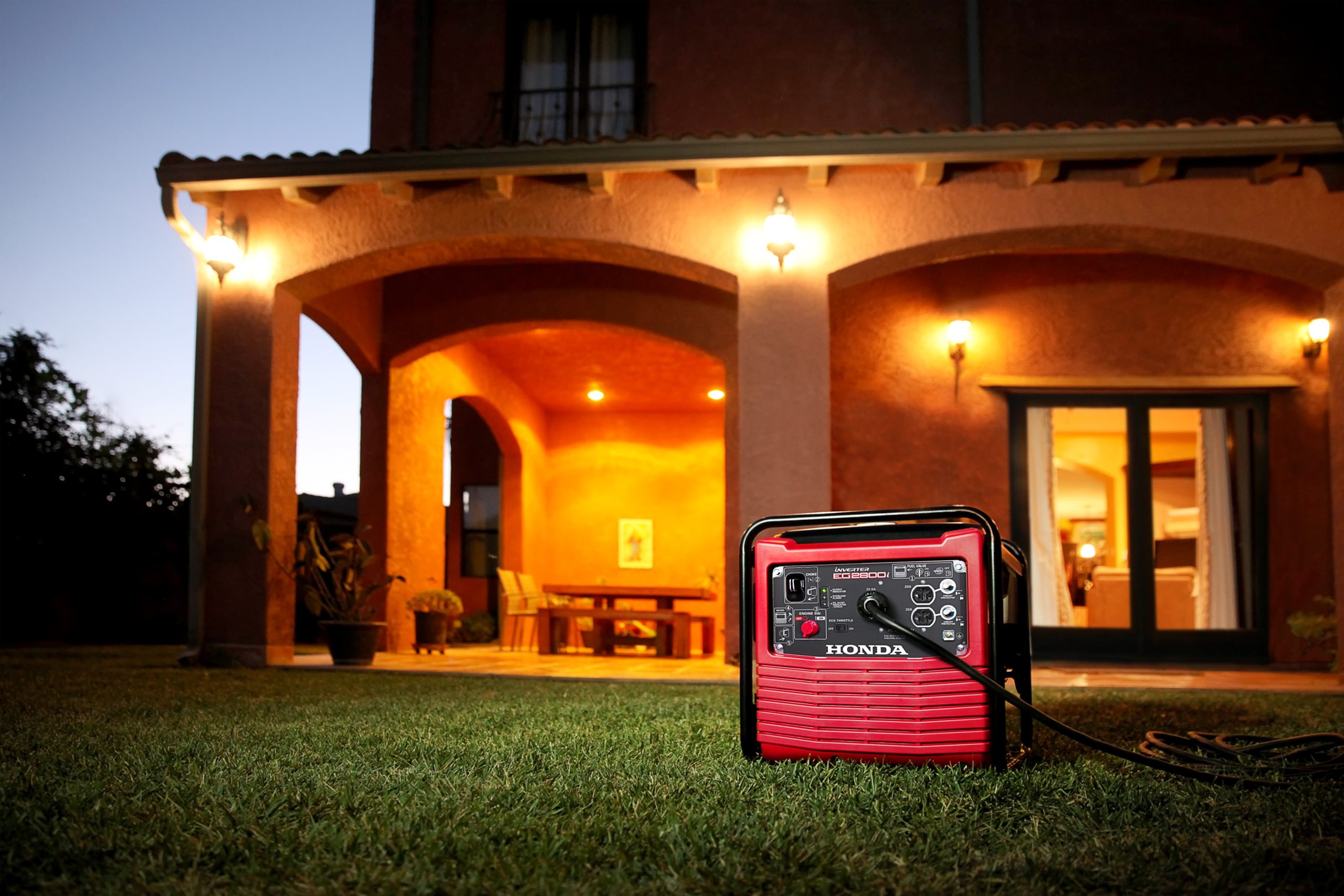

In the last few years we’ve had at least one major ice storm every winter or spring that has wreaked havoc with our electrical supplies. When these storms occur, our generator business picks up significantly, but many people are forced to make quick decisions in the interest of protecting their homes and belongings. Having the right generator handy can make all the difference so before you have an urgent need to invest in a backup power system, here are some things to consider while you have time, so that you feel comfortable with your decision.
Generator Tip 1 – Determine your power requirements.
Typical priorities include the sump pump, furnace and refrigerator/freezer. Power failure of these things creates more than an inconvenience. It can cause very costly problems within your home. Other items like ventilators, well pumps, lights and televisions should also be considered – either for necessity or convenience.
It is important to realize that products with electric motors generally take about three times the amount of power to start up as they do to run, so be sure your backup source can handle the starting requirements.
Generator Tip 2 – Decide whether you want to run multiple items at once or if you will switch from one item to another.
More powerful generators can handle most of the essentials of your home without switching from circuit to circuit. A smaller generator will require some manual work on your part, but will still be able to run most items individually.
If you choose to use a larger generator for convenience, a good rule of thumb for calculating size is to add the start-up wattage for the two highest-requirement appliances and the running wattage of everything else that you want to run simultaneously. This will give you a number that you can be confident won’t trip the circuit breaker.
Generator Tip 3 – Consider which type of generator best fits your circumstances.
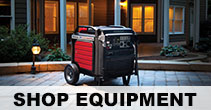
Portable generators are relatively low-cost and can be transported to multiple locations (you can help out your friends and family when they are in a bind – or use it on a camping trip). Wattages of these units vary from 1000 to 6500 watts. This is usually powerful enough to run almost everything in a typical home.
Home standby units are stationary units that are more expensive, but offer the convenience of running on natural gas. They are generally available in higher wattages than portable generators and can power your entire home, including central air conditioning units.
Generator Tip 4 – Noise level.
In addition to factors such as size, portability, run time, low oil warnings, etc., the most sought-after feature in a generator is unquestionably sound level. The nature of most power outages requires that your generator run all night long, so the noise level is a real consideration. After all, it’s not very satisfying to spend hard-earned money on a generator and then have it keep you (and your neighbors from two streets over) up all night. Quietness is most often near the top of the list of features to consider.
Generator Tip 5 – How to connect the generator to the items that need power?
There are only two safe ways to provide power from a generator: use high quality extension cords or install a transfer switch. The extension cord option is self explanatory; just make sure to use heavy gauge extension cords, especially if it is a long distance from the generator to the appliance. It is important to note that the only safe way to connect a generator directly to your home electrical system is through a transfer switch.
Generator Tip 6 – Do not back-feed.
People ask us about back-feeding power through their home and we strongly urge customers not to do that. It is dangerous to power line workers, can damage the generator and can cause fires. It’s just not worth the risk, regardless of the precautions that you take, to back-feed power from a generator.
A transfer switch isolates the generator’s power from these hazards and creates a convenient way to switch from line power to generator power. While someone with basic electrical skills can figure out how to install a transfer switch, a licensed electrician is highly recommended.
Our salespeople are experts in helping customers make educated decisions about the generator that is right for them. Stop in or give us a call and we can help you through the process.
You May Also Enjoy These Articles:
Generator Operation and Safety Tips
Buyer’s Guide to a Portable Generator
Convert Amps To Watts For Generator Use
6 Ways to Prepare For Winter Storm
Why Weingartz?
Weingartz, family owned and operated, began in 1945 as a farm supply store for local Michigan families. In the 1970s, we began to focus exclusively on outdoor power equipment. Over time, we morphed into the “power equipment superstore” that now defines all of our locations. The staff and experts at Weingartz work diligently to provide the best service possible and give honest and helpful advice to each and every customer.
Weingartz also sells parts for all outdoor power equipment at https://www.weingartz.com/parts-lookup.
Weingartz
6585 Dixie Hwy.
Clarkston, MI 48346
(248) 620-5258
Connect With Us!
https://www.facebook.com/WeingartzLawnToSnow
https://pinterest.com/MrWeingartz
Sign up for our electronic monthly newsletter for discounts and money-saving tips.
Learn More About Specific Honda Generator Models